National Children’s Dental Health Month originally began as a one-day event in Cleveland, Ohio, on February 2, 1941. Now, it occurs every February to highlight the importance of children’s dental health. Good oral health habits start early, and teaching children to brush, floss, and make tooth-friendly food choices lays the foundation for a lifetime of confident smiles. From a child’s first tooth to their teenage years, regular dental checkups and preventive care play a crucial role in avoiding cavities and building positive dental experiences. This month is a great opportunity for parents, caregivers, and educators to reinforce simple daily habits that keep little teeth strong and healthy.
Even before your baby grows their first tooth, there are steps you can take to help their dental health. Doctors recommend wiping a baby’s gums after breastfeeding or taking a bottle with a damp cloth.
Babies are born with all their teeth in their jaws. Usually, around six months of age, they will grow their first tooth. Baby teeth help children chew correctly and help them speak clearly. According to the ADA, baby teeth set the proper spacing for adult teeth to come in correctly. Although baby teeth will eventually fall out, it is vital to care for them.
The American Dental Association suggests that children’s first dental checkup should be by their first birthday or within six months of their first tooth. A child can develop a cavity as soon as they have their first tooth.
Check out this video from the ADA about the importance of baby teeth!
To prepare your child for their first dentist appointment, you can gently brush their teeth twice a day with a soft-bristle toothbrush and fluoride toothpaste. Talk to your baby about what the dentist will be like and what to expect during a visit. Reading books about the dentist can also help. Going to the dentist at an early age can help children get familiar with appointments and reduce anxiety about the dentist as they grow older.
As your child ages, it is important to watch what they eat to prevent cavities. Sugary foods and drinks can promote bacterial growth and cause cavities. Even foods and drinks you may consider healthy, such as fruit juice or foods containing honey or molasses, can still cause cavities. The ADA offers these tips to help with cutting down on sugar for your child’s dental health.
Going to the dentist every six months can be incredibly helpful as your child ages. If your child sucks their thumb or uses a pacifier, this can affect their teeth. It can affect their bite alignment (e.g., overbite or underbite) and can cause issues with the roof of their mouth. Breaking out of that habit can be difficult. By going to regular appointments, dentists are able to catch any negative change in your child’s teeth.
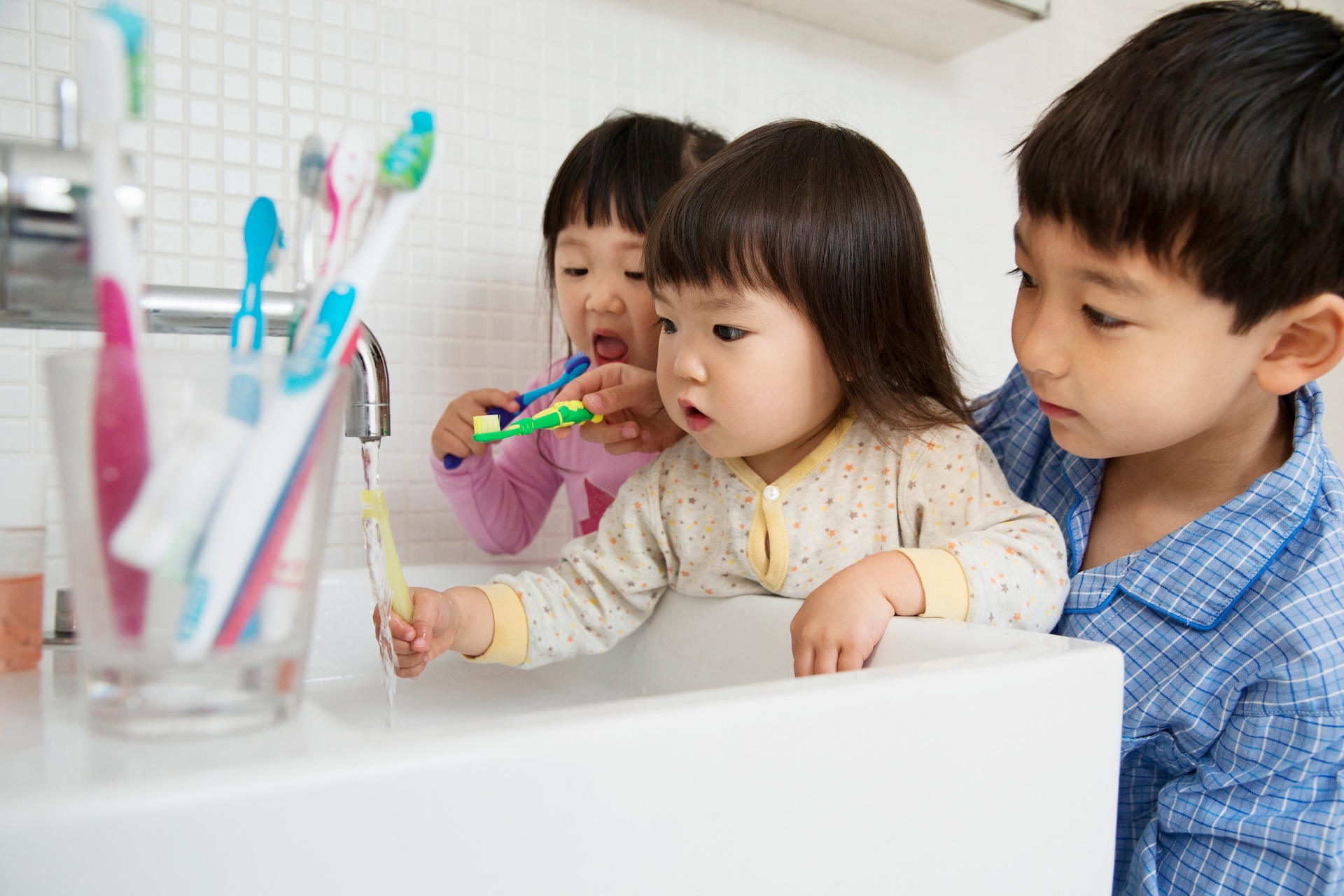
Even if you start good habits early, your child might still hate brushing their teeth. That is normal. Children should brush their teeth twice a day for at least two minutes each. If your child is struggling with this, check out these tips from the ADA:
Not taking care of your child’s teeth early on can impact your health in the future. Research shows that poor oral hygiene can lead to heart disease, diabetes, and respiratory infections. Read more about the importance of dental hygiene in this blog.
How AFSPA Can Help
We offer four dental plans specially designed to meet your needs, nationwide or abroad. All dental plans provide coverage for dependents up to age 26, regardless of financial dependency, residency, student status, or marital status. As an AFSPA member, you can enroll in any of these plans at any time—no need to wait for an open enrollment period. Once enrolled, you can visit a general or family dentist immediately, with no waiting period. For more information about these plans, visit afspa.org/dental.
We recently wrote a blog about AFSPA’s dental plans here.
In our latest AFSPA Talks episode, we discussed the Careington Discount Program that can help you save money on dental costs. You can watch that episode here.
Sources