
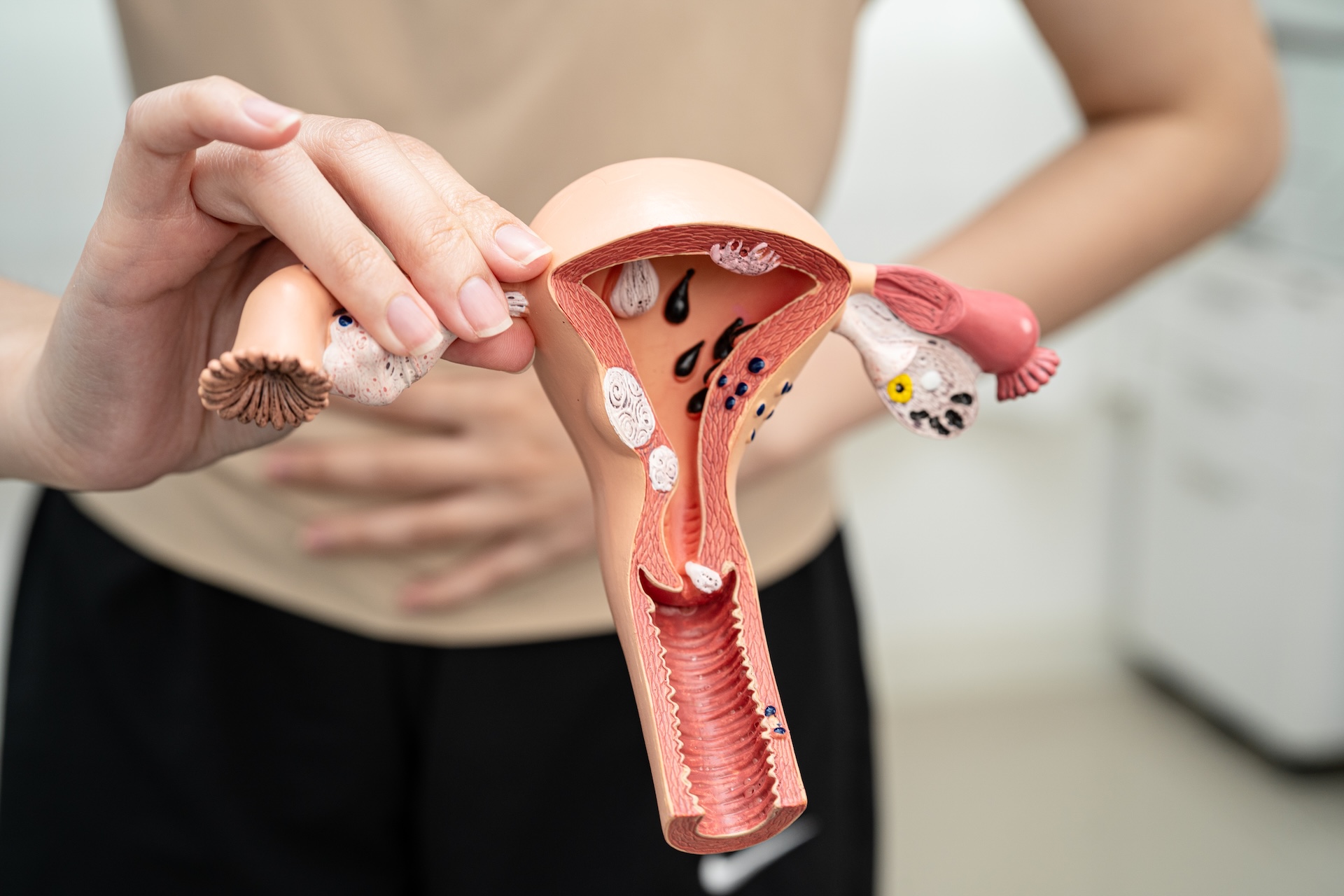
March is National Endometriosis Awareness Month. Endometriosis occurs when tissue similar to the lining of a uterus grows in other parts of the body. This is a painful condition that can be excruciating during menstrual cycles. Endometriosis is commonly found behind the uterus, ovaries, and fallopian tubes, and sometimes in other organs, such as the bladder, lungs, or intestines. It affects 1 in 10 females worldwide.
Symptoms and Causes
The main symptom of endometriosis is pelvic pain. For some, the pain is mild; for others, it is intense. Other symptoms include painful menstrual cramps, abdominal pain or back pain, infertility, heavy bleeding during periods, and stomach issues like diarrhea, constipation, or bloating. It is also possible to have no symptoms of endometriosis. Some women discover they have it when they are unable to get pregnant.
According to the Cleveland Clinic, “There’s no connection between your symptoms and the severity of the condition. Some people may have very few patches of endometriosis and still experience severe pain. Other people might have many patches of endometriosis, but not experience any pain.”
Experts do not know what causes endometriosis, but there does appear to be a genetic link. If a family member has it, there is an increased risk that another family member could develop it. There are some risk factors, like familial history, short/long menstrual cycles, and never having children.
Endometriosis is one of the leading causes of infertility. Due to tissue growing on other parts of the body, it can interfere with how a sperm and egg move to meet each other at conception, according to the Cleveland Clinic.
Diagnosis and Treatment
If you have symptoms of endometriosis, your doctor may perform a pelvic exam. They might order an ultrasound or an MRI. But the only way to truly diagnose endometriosis is through a laparoscopy, a procedure that uses a small camera to look inside your pelvis. Once they see where the tissue is growing, they can take a sample for testing.
During this procedure, the surgeon will try to remove any tissue that they suspect is endometriosis. If the tissue is on critical structures, another surgery may be necessary to remove it all.
There are many steps involved in obtaining a diagnosis, and it can be frustrating. Due to how hard it is to diagnose endometriosis without a laparoscopy, it can take some women years to receive a diagnosis.
Treatment depends on the severity of the endometriosis, any plans for future pregnancies, age, and severity of symptoms. Treatment usually involves pain management and improving fertility. Medicine and surgery are the most common treatment options.
Hormonal therapies can help manage endometriosis. Birth control can help women have lighter and less painful periods. Gonadotropin-releasing hormone (GnRH) antagonists or agonists stop the hormones that cause your menstrual cycle. This can help with the pain associated with your menstrual cycle.
If your endometriosis is severe enough, a hysterectomy is the best form of treatment.
Endometriosis is a chronic condition. Surgeries and medicine can help manage symptoms and even alleviate them for years, but symptoms may return in a few years.
How AFSPA Can Help
If you are experiencing infertility, the Foreign Service Benefit Plan (FSBP) members have access to several supportive programs.
Sources
https://my.clevelandclinic.org/health/diseases/10857-endometriosis