
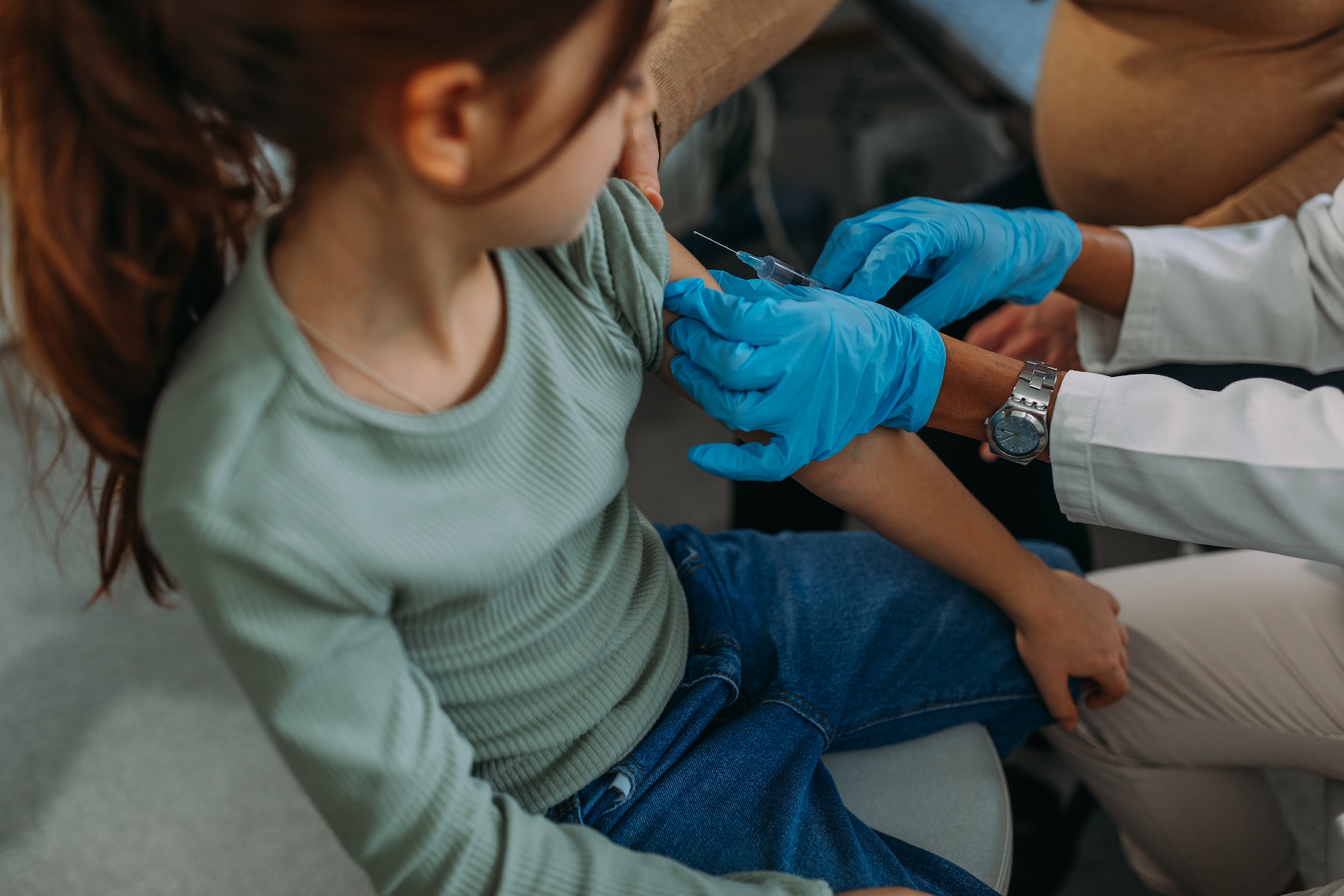
The World Health Organization (WHO) is celebrating World Immunization Week from April 24 to 30. The theme for 2026 is “For every generation, vaccines work.” WHO chose this theme to remind people that vaccines are safe and have protected multiple generations over the span of 200 years (UNICEF). WHO and its partners hope that by celebrating immunizations, society will see the lifesaving power of vaccines to protect against vaccine-preventable diseases. We must celebrate World Immunization Week every year to emphasize the safety of vaccines, the lives they have saved, and our ongoing efforts to make vaccines accessible to everyone.
Vaccine Safety
Sometimes vaccines can seem unsafe if you do not understand how they work. Pathogens are disease-causing organisms that can be bacteria, viruses, parasites, or fungi. Pathogens are composed of several subparts, but one of them is the antigen. Antigens trigger the production of antibodies to protect your immune system. Vaccines contain:
The weakened version of the antigen will not cause the person receiving the vaccine to contract the disease. Instead, it triggers the immune system to begin producing antibodies to protect against the disease.
Some vaccines require multiple doses to help develop long-lasting antibodies and memory cells. This way, your body remembers the pathogen and can be ready to fight it if you are exposed to it in the future.
Before a vaccine is introduced, it undergoes rigorous and stringent testing through multiple phases of clinical trials (WHO). Health professionals review the results of the trials to ensure the vaccine meets the highest safety standards. Once the vaccine is introduced to the public, it is closely monitored. If an adverse reaction occurs, an independent group of experts evaluates whether the effect was caused by the vaccine or by another factor. “At the global level, the Global Advisory Committee on Vaccine Safety (GACVS), an independent group of experts, evaluates these reports and provides authoritative and scientific advice to WHO.”
You can read more about how vaccines are tested before being introduced to the public, here.
Impact of Vaccines
Since 1974, vaccines have saved over 150 million lives. Infant survival has increased by 40% in the last 50 years. Over 30 life-threatening diseases and infections have been prevented by vaccines. Vaccines protect against diseases like measles, meningitis, pneumonia, tetanus, and polio. Without protection from vaccines, these diseases can lead to serious illness, disability, and even death. WHO estimates that childhood vaccines save over 4 million lives every year.
Vaccines should be started at a young age to help you live longer and healthier. Most countries provide a vaccination card listing the vaccines you or your child needs, along with when vaccines or boosters are needed in the future. Some vaccines cannot be given until certain ages, and it is important to remain on track with your vaccination schedule to stay healthy.
Once vaccinated, you are very likely to be protected against the targeted disease. You also contribute to herd immunity.
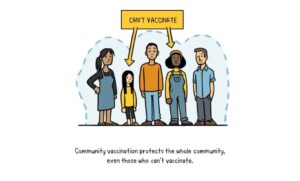 Herd immunity protects those who are unable to receive vaccines, such as newborns, people with weakened immune systems due to HIV or cancer, or those who are allergic to certain vaccine components (WHO). When most people in a community are vaccinated, the pathogen has a hard time spreading because it is encountering people who are immune to it. No vaccine protects someone 100%, but herd immunity provides substantial protection to those with the vaccine and to those who cannot get it.
Ongoing Efforts
Despite the success of vaccines worldwide, some people still lack access to them. Nearly 20 million infants each year have insufficient access to
them. According to the WHO, in some countries, progress has halted or reversed. Factors such as location, gender, race, and socioeconomic status affect children’s access to immunizations.
Children in areas affected by conflict are unable to access immunizations due to health facilities being damaged, a lack of supplies, and staffing. Rural and remote places lack health infrastructure, and a lack of funds for transportation to a health facility stops children from receiving their immunizations. Organizations like UNICEF are working to provide vaccines to everyone regardless of outside factors.
How AFSPA Can Help
The Foreign Service Benefit Plan (FSBP) covers annual physicals, well-child visits, and routine immunizations at 100% when received from a U.S. in-network or overseas provider or from a participating retail network pharmacy. FSBP members 18+ years and older can receive $100 in wellness rewards after completing their annual exam and biometric screening.
FSBP Members can receive $25 for receiving a flu shot, a COVID-19 vaccine, or a booster.
Sources